Who was Guy de Maupassant? Discover the French novel writer who shaped short story literature
A brief biography of a French literary master
Guy de Maupassant (1850–1893) is one of the most famous French novel and short story writers of the 19th century. Born in Normandy, he grew up between the countryside and the sea : two worlds that deeply inspired his work. His realistic style, sharp observation of human nature, and ironic sense of humor made him one of the most influential figures in French literature.
After studying law in Paris, Maupassant worked as a civil servant while writing in his free time. His mentor, Gustave Flaubert, encouraged him to develop his own style : simple, vivid, and sincere. Maupassant’s first major success came in 1880 with Boule de Suif, a short story that immediately established his reputation. Over the next decade, he wrote more than 300 short stories, six novels, and three travel books before his untimely death at 43

His place in French literature and short story history
Maupassant revolutionized the short story form in France. He captured moments of ordinary life and transformed them into profound reflections on love, society, and destiny. His works combine realism and emotion in a concise, accessible style, making them a perfect entry point for those who wish to learn French with literature
Many of his stories have been translated into English, making them ideal for bilingual reading. Maupassant’s clear structure and universal themes have inspired generations of writers around the world.
Why are Maupassant’s short stories perfect for French learners?
Simple, rich, and accessible French
Unlike long, complex novels, Maupassant’s short stories use concise and vivid language. His sentences are elegant but easy to follow, making his works some of the best French novels for beginners, or, more precisely, short stories that help you build confidence in reading French.
Universal themes and vivid storytelling
His characters, from peasants to Parisian bourgeois, face universal emotions like love, pride, jealousy, and regret. These timeless topics allow readers to connect emotionally while improving vocabulary related to everyday life, feelings, and social situations.
Short formats: ideal for focused language practice
Each story can be read in one sitting, which makes it easy to read regularly, review new words, and discuss them with your teacher during an immersion. It’s a simple yet powerful way to progress while enjoying French literature.
Which Maupassant short stories should you read first?
His most famous short stories (in English and French)
If you’re just beginning, start with some of his most famous works, available in bilingual editions or as free audiobooks online:
- La Parure (The Necklace)
- Le Horla (The Horla)
- Une Vie (A Life)
- Boule de Suif (Ball of Fat)
Each of these stories reveals Maupassant’s mastery of storytelling and human psychology : qualities that made him one of the most famous French novel writers of all time.
Focus on “La Parure”
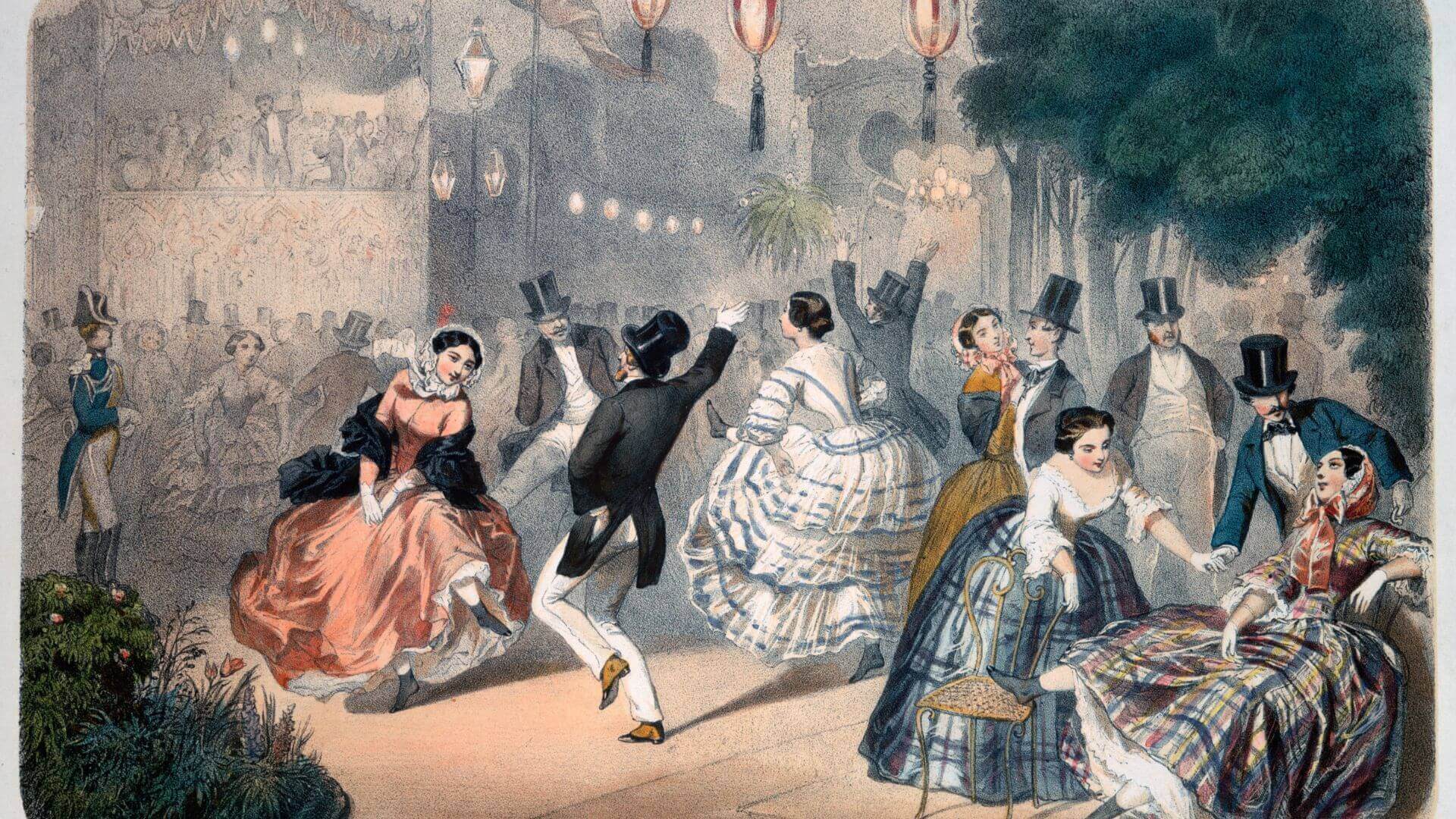
Perhaps Maupassant’s most famous short story, La Parure (The Necklace), perfectly captures his sharp eye for human nature. Set in the 19th century, it tells the story of Mathilde Loisel, a young woman torn between her modest reality and her dreams of elegance and luxury. When she is invited to a grand Parisian ball — a rare chance to shine — Mathilde borrows a dazzling diamond necklace from a wealthy friend to complete her look.
For one unforgettable night, she becomes the woman she has always imagined herself to be. But when the necklace disappears, her life takes an unexpected turn. What follows is a journey marked by sacrifice, pride, and a haunting sense of irony, a mirror of society’s obsession with appearances and status. It makes a perfect example of Maupassant’s talent for irony and moral reflection.
How to use Maupassant’s stories to improve your French
Tips for reading in French as a learner
- Start with bilingual editions (French–English).
- Read each paragraph first in French, then in English.
- Highlight new words and look for patterns in verb tenses and sentence rhythm.
Where to find bilingual editions and audiobooks
You can find many of Maupassant’s short stories online for free on sites like Project Gutenberg or LibriVox. Some editions even include audio recordings, perfect for improving both reading and listening skills.
How to discuss literature during your immersion stay
When you stay with your teacher during an immersion, you can discuss what you read, your impressions, favorite characters, and moral lessons. It’s an excellent way to deepen your understanding of the French language and culture.
Why read Maupassant during a French immersion in France?
Connect literature with local culture and history
Reading Maupassant in Normandy, where his stories take place, gives a whole new meaning to his descriptions of landscapes, people, and traditions. Literature becomes a living experience.
Practice reading, speaking, and cultural reflection with your teacher
Your host teacher can guide you through difficult passages, explain vocabulary, and help you express your opinions in French. Discussing literature is a wonderful way to build fluency and expand cultural knowledge.
Explore Normandy, Maupassant’s homeland, during your stay
Many of Maupassant’s stories are set in the Normandy countryside or along the coast near Étretat. During your immersion, you can visit these locations, walking in the footsteps of the author himself.

Want to discover French literature while learning the language?
Learning French with literature is more than studying words, it’s entering the soul of the culture.
At S.L.Immersion, we believe in learning through authentic, meaningful experiences.