Who was King Henry IV of France?
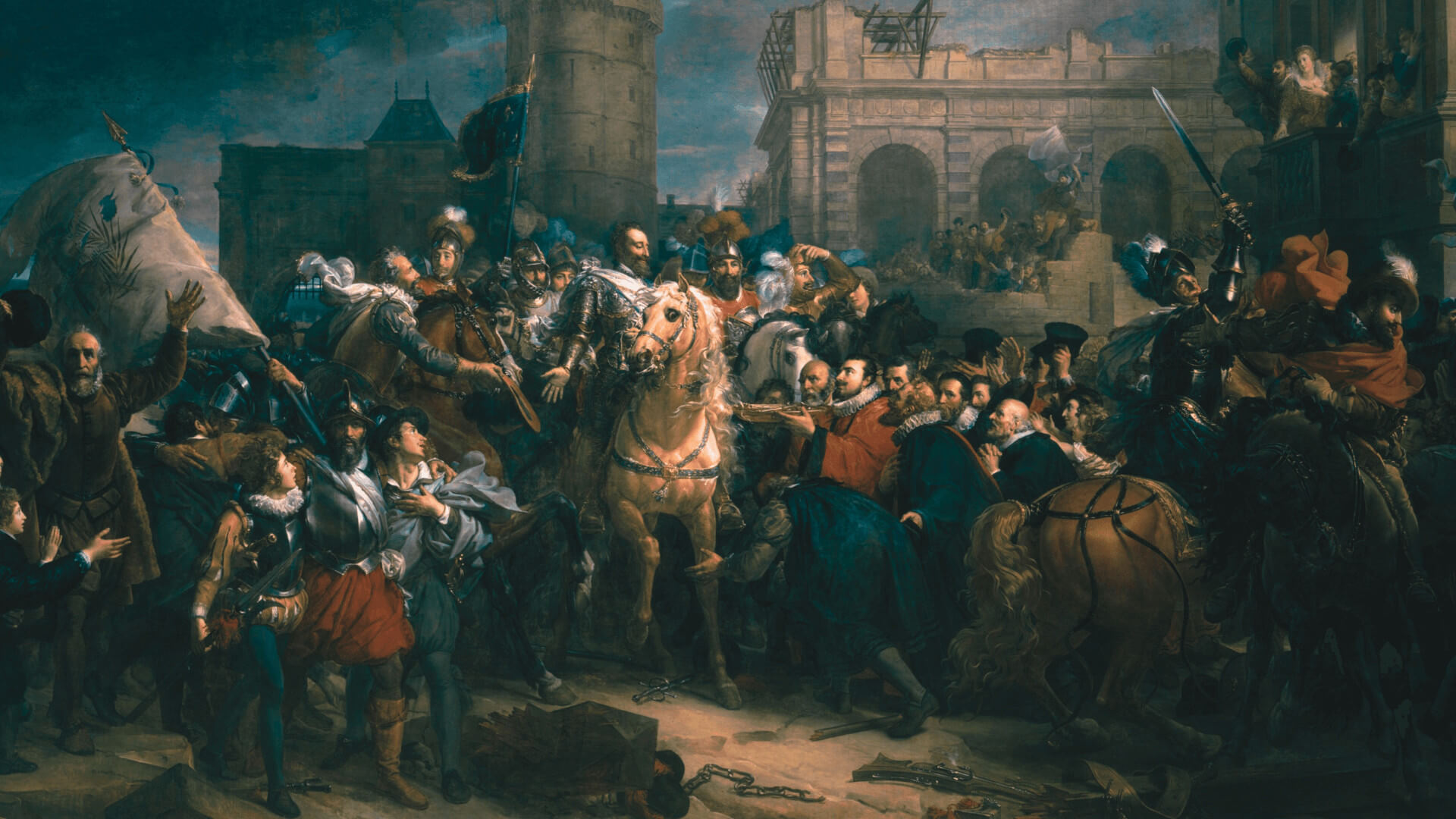
King Henry IV of France (1553–1610), also known as Henry of Navarre, was one of the most popular and remarkable French kings. He reigned from 1589 to 1610 and founded the Bourbon dynasty, which later produced other famous monarchs such as Louis XIV, the Sun King. His reign is remembered for ending the Wars of Religion and for bringing peace and prosperity back to France.
What is the connection between Henry IV and Louis XIV?
Henry IV was the grandfather of Louis XIV. His son, Louis XIII, succeeded him on the throne, and Louis XIII’s son became Louis XIV, who ruled for more than seventy years. Without Henry IV, there would have been no Bourbon dynasty : and no “Sun King” who would later turn France into a great European power.
Henry’s political reforms, economic stability, and efforts to rebuild the kingdom laid the foundations for the glorious reign of his grandson.
What did Henry IV do that was important?
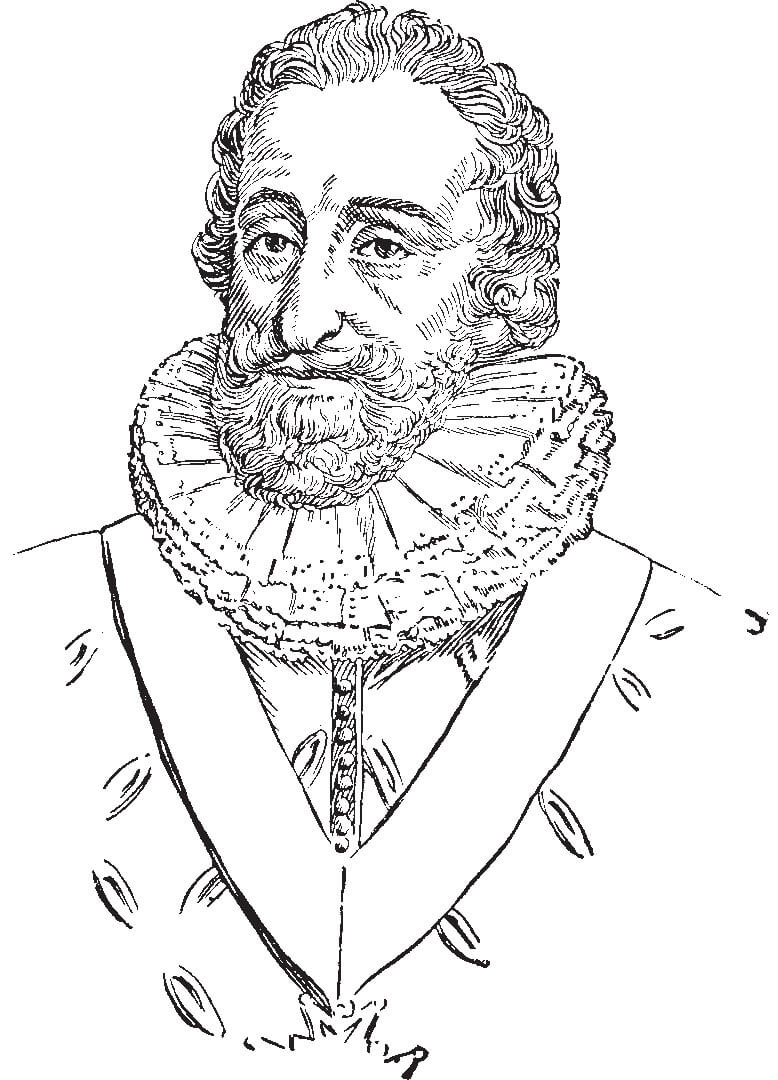
Henry IV achieved something few kings managed before him: he reunited a divided country. France was torn apart by religious conflicts between Catholics and Protestants (Huguenots).
In 1598, he issued the Edict of Nantes, a historic document granting religious tolerance to Protestants and putting an end to decades of civil war. This act made him a symbol of peace and pragmatism.
He also worked tirelessly to rebuild the economy:
- repaired roads and bridges,
- developed agriculture (“a chicken in every pot!” was his famous wish for the people),
- reduced taxes on the poor,
- and encouraged trade and craftsmanship.
These policies earned him the nickname “Good King Henry” (le bon roi Henri), a ruler loved by the people.
Who killed Henry IV and why?
Henry IV was assassinated in Paris on 14 May 1610 by François Ravaillac, a fanatical Catholic. Ravaillac believed that Henry, who had converted from Protestantism to Catholicism to secure the throne, still secretly favored Protestants and planned to go to war against the Pope.
The king’s death shocked France. His assassination left a deep wound in the collective memory of the nation, and strengthened his image as a wise, tolerant monarch who dreamed of peace and unity.
What was Henry IV’s hygiene like?
Historical sources tell us that Henry IV was not particularly fond of bathing! He was known to have a strong body odor, which even his close entourage mentioned. In the 16th century, frequent bathing was rare and even considered unhealthy by many. People used perfumes, herbs, and scented clothing to cover odors.
Despite his questionable hygiene, Henry was known for his charm and charisma. His laughter, generosity, and simplicity made him loved by both nobles and commoners.
What legend is associated with King Henry IV?
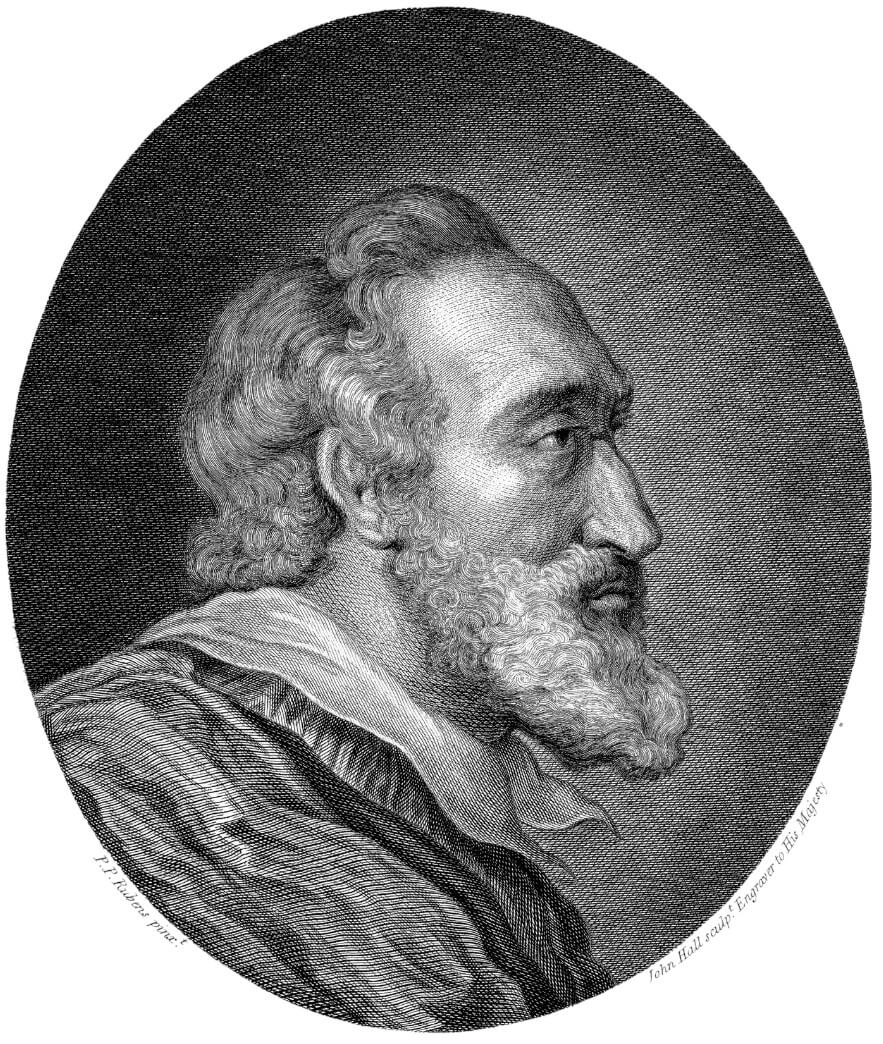
The best-known legend about Henry IV is that he wished for “a chicken in every pot” (“une poule au pot”) for his people every Sunday, a symbol of prosperity and compassion.
According to popular stories, Henry once told his ministers that he would not rest until “the poorest peasant in my kingdom can afford a chicken on Sundays.” At a time when famine was common, this wish reflected his deep empathy for ordinary citizens.
Anecdotes say he often shared meals with farmers during his travels, enjoying simple food and good wine rather than royal banquets. His warmth and humor earned him the title of “Good King Henry”, a monarch close to his people.
Even today, the “chicken in the pot” remains a symbol in French history of care, unity, and well-being, echoing Henry IV’s dream of a peaceful, prosperous France.
Why is Henry IV still admired today?
Henry IV remains a timeless symbol of tolerance, unity, and compassion. His life reminds us that leadership is not only about power but also about caring for people. His pragmatic motto could be summed up as: “Peace and prosperity first.”
From his reforms to his tragic death, Henry IV’s story continues to fascinate historians, students, and anyone passionate about France.